
Stepping into a pool for the first time as a grown-up feels daunting. Your heart races, your muscles tense, and a voice in your head whispers that you should have learned this decades ago. Here’s the truth: adults often learn swimming faster than kids in many ways because they bring patience, discipline, and clear goals to the process.
Only 56% of Americans can perform the five core swimming skills, according to the Red Cross. That statistic reveals a massive gap in aquatic education, one that extends well into adulthood across North America. The good news? A qualified swimming coach offers the most direct path to becoming a confident, capable swimmer.
This article walks you through everything you need: conquering water fear, finding the right coach, mastering essential skills, choosing equipment, building a practice routine, and unlocking the remarkable health benefits of swimming later in life.
A Swimming Coach delivers what YouTube tutorials and self-teaching simply cannot: immediate feedback, real-time stroke corrections, and a structured lesson plan tailored to your body and your fears. You don’t guess whether your kick looks right — someone tells you on the spot.
Most adults master basic swimming skills within 6 to 12 private lessons with a qualified instructor. Try learning on your own, and that timeline often stretches dramatically. Without expert eyes on your technique, bad habits can sneak in and become much harder to fix later.
Coaches who work with nervous beginners know how to adapt their pace. They address emotional barriers before technical ones, building water confidence step by step instead of throwing you into the deep end. That systematic approach makes all the difference.
Private one-to-one coaching gives you fully personalised attention. Small group classes, on the other hand, offer peer motivation and a sense of community. Both formats work, and a great coach helps with far more than competitive swimming. Whether your goal is fitness, triathlon prep, learning proper technique, or simply feeling safe around water, the right instructor meets you where you are.
Virtual swim lessons are also becoming an incredibly effective way to improve quickly. With video analysis and live feedback, swimmers can still receive real-time stroke corrections, personalized drills, and structured progression from anywhere in the world — all without needing to be on deck with a coach in person.
Learn more about Swim Like A. Fish’s Virtual Swim Lessons here.
Start by checking credentials. Look for certifications from the Red Cross (WSI), YMCA, Swim Canada, the Lifesaving Society, or USA Swimming. These programs ensure coaches meet safety and instruction standards that protect adult learners.
| Factor | What to look for |
| Certification | Red Cross WSI, Swim Canada, Lifesaving Society, YMCA |
| Experience | 5–10 years on-deck preferred; newer coaches can still excel |
| Specialization | Ask specifically about adult beginner experience |
| Format | Private, semi-private, group, online, or at-home pool |
| References | Local swim facilities, community centres, online groups |
A coach with a decade of pool-deck experience typically delivers stronger results, but doesn’t dismiss newer instructors. They often charge less and bring fresh energy. The key question to ask: “How many adult beginners have you taught?” A coach who specialises in competitive youth swimmers may not suit your needs at all.
Explore your format options before committing. Private lessons accelerate progress fastest. Semi-private sessions split the cost. Community centre group classes keep things affordable. Even online coaching platforms can supplement in-person work with video analysis and drills you practise independently.

Fear, not physical ability, represents the biggest obstacle for most adult learners. Many carry anxiety rooted in childhood experiences, near-drowning incidents, or simply never having had the chance to learn. That fear is completely normal.
A skilled coach works through it using gradual exposure techniques. They never dismiss your anxiety or rush you. Instead, they build trust one small step at a time.
Here’s what that looks like in practice:
Once you accept that anxiety exists without letting it control your actions, progress accelerates. Many adult swimmers describe a turning point, a single session where the water suddenly feels less threatening and curiosity replaces dread.
Building competence follows a logical progression: water comfort first, then breath control, floating, gliding, kicking, and finally basic strokes. Skip a step, and the whole foundation wobbles.
Breathing trips up new swimmers more than anything else. Your instinct screams “hold your breath,” but swimming demands controlled exhalation underwater and quick inhalation above the surface. Fighting that instinct takes deliberate practice.
Start simple. Stand in the shallow end, inhale through your mouth, dip your face underwater, and exhale steadily through your mouth. Repeat until it feels boring. A coach guides you through bubble-blowing drills and rhythmic breathing exercises before ever asking you to combine breathing with movement.
Floating proves something counterintuitive: water supports your body if you relax. Tension makes you sink. Surrender makes you buoyant. Practice both prone (face-down) and supine (face-up) floating until you trust the water to hold you.
Gliding builds on that trust. Push off a wall, extend your body, and let momentum carry you forward without frantic kicking. This drill teaches efficient movement and body awareness. Understanding buoyancy and weight distribution here creates the foundation for every stroke you’ll learn later.
Focus on one stroke at a time. Freestyle (front crawl) works best for most adult beginners because it builds naturally from the gliding and breathing drills you’ve already practiced. Your coach breaks it into isolated components: arms only, legs only, then the full combination.
Backstroke offers another beginner-friendly option since your face stays above water the entire time. That breathing advantage reduces anxiety and lets you focus purely on body position and kick rhythm. Don’t rush to Breaststroke or Butterfly. Master one stroke well before adding complexity.
Goggles top the list. A good pair lets you keep your eyes open underwater comfortably, which reduces disorientation and fear. Spend a few extra dollars on anti-fog lenses with a snug, adjustable fit.
One important warning: avoid over-relying on flotation devices like pool noodles or foam belts. They create a false sense of security and delay independent swimming. Chat with your coach before buying anything. Many instructors provide basic training aids during lessons, saving you money and ensuring you use the right tools at the right time.
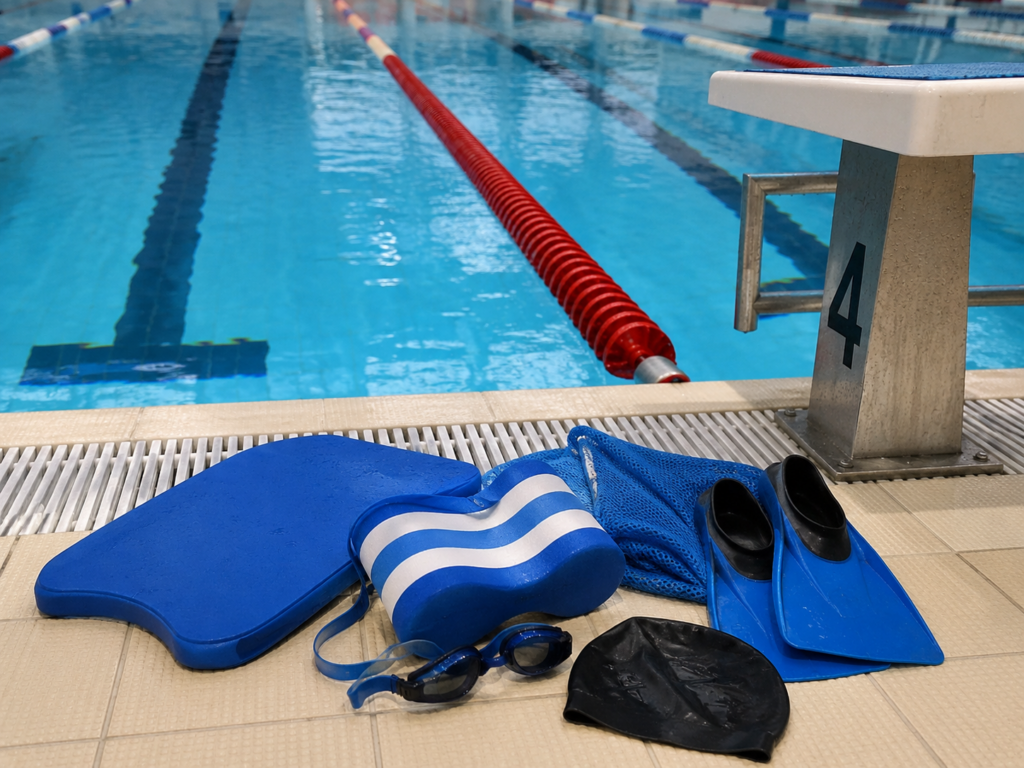
Two to three 30-minute sessions per week beats one exhausting two-hour marathon every time. Consistency builds muscle memory. Long, infrequent sessions build frustration and fatigue.
Aim for one or two coached sessions weekly, plus at least one independent practice where you repeat drills from your lessons. Short, focused work in the pool cements what your coach teaches and keeps your body adapting without burnout.
Set goals that keep you moving forward:
Track every milestone. Write it down or log it in a notes app. Celebrating your first unassisted lap or your first relaxed underwater exhale keeps motivation high during the inevitable plateaus.
The best coaches read your body language before you say a word. They spot tension in your shoulders, notice when your breathing speeds up, and adjust their instruction in real time. Stroke mechanics matter, but awareness matters more.
Empathy drives great coaching. An excellent instructor understands your fear and frustration without lowering expectations or letting you avoid challenges. They push you just enough. They also know when to pull back.
Look for these qualities:
A coach who simply barks instructions from a chair isn’t coaching. They’re supervising. You deserve better.