Most competitive swimmers today think of Freestyle, Backstroke, Breaststroke, and Butterfly as “the strokes that matter.” But what if I told you there’s another stroke that can make you a smoother Freestyler, a stronger kicker, and a more confident Open-water swimmer—yet almost no one practices it?
That stroke is the Side Stroke.
The Side Stroke swimming technique is often taught in lifeguard training or Navy SEAL boot camps, but recreational and competitive swimmers rarely touch it. Big mistake. Whether you’re a youth swimmer, a triathlete, or a masters competitor, learning the Side Stroke has huge payoffs.
What Is Side Stroke in Swimming?
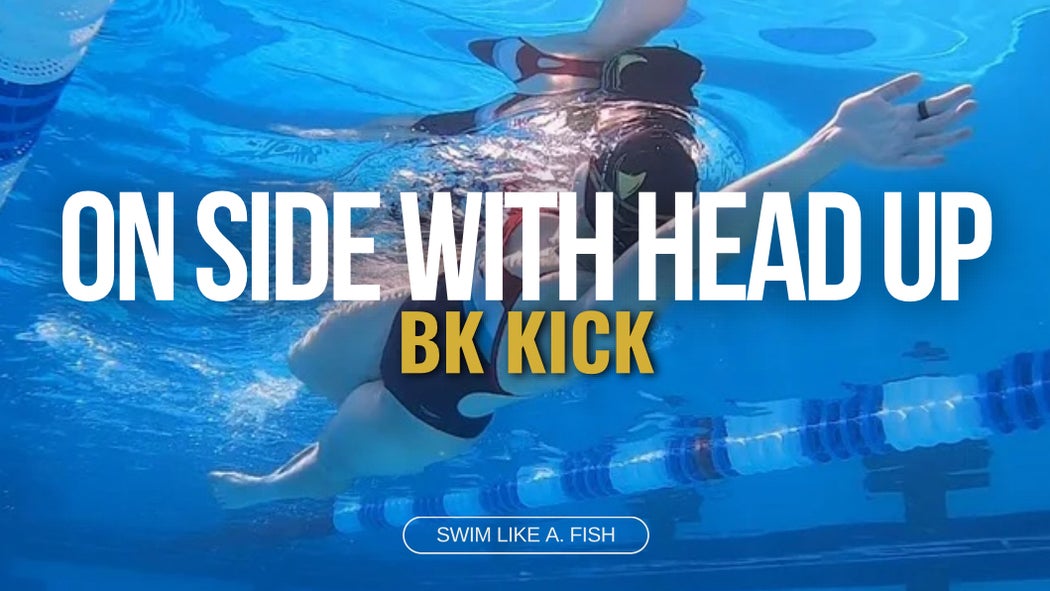
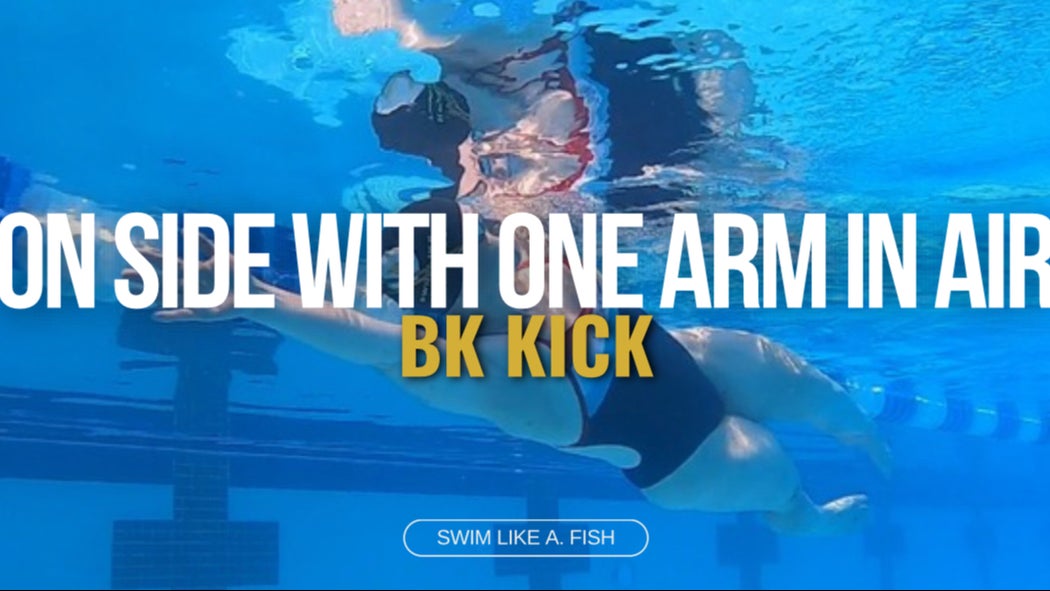
The Side Stroke (sometimes called Side Swimming Stroke or simply Side swimming) is a traditional technique where you lie on one side, using a Scissor Kick and an alternating Arm Pull. Unlike Freestyle or Butterfly, your face naturally stays out of the water, making breathing effortless.
It’s not raced in competition, but the stroke is:
Energy Efficient: perfect for long distances, lifeguarding, or survival situations.
Technically powerful: teaches balance, rotation, and streamline awareness.
A Crossover Tool – side kicking improves both Freestyle rotation and Underwater Dolphin Kicks.
Ready to take your IM transitions to the next level? In this video, we break down the Backstroke to Breaststroke Crossover Turn—the fastest (and most complex) way elite swimmers connect these two strokes. Collegiate, professional, and even Olympic athletes rely on this advanced Crossover technique to gain precious seconds in competition. Along the way, you’ll also see how drills like the Side Stroke kick and side kicking progressions can improve body alignment, rotation control, and streamline—skills that directly transfer into mastering the Crossover turn.
Side Stroke Swimming Benefits
Here’s why you should add Side Stroke practice to your training:
Easy Breathing– One of the biggest hurdles in swimming is timing the breath. In the Side Stroke, air is always accessible. That freedom reduces anxiety and tension in the water.
Builds Core Stability – Balancing on your side forces your midsection to engage. A stronger core means better body position across all four competitive strokes.
Develops Scissor Kick Power – The Side Kick is explosive. Training it builds hip and glute strength that translates to stronger Freestyle and Breaststroke kicks.
Open-Water Confidence – Triathletes and masters swimmers can use Side Stroke as a recovery stroke mid-race without losing forward progress.
Shoulder Friendly– Because it uses one pulling arm at a time, Side Stroke puts less stress on overworked shoulders. Great for recovery or rehab.
Your shoulders do 90% of the work in swimming—don’t wait until they hurt. Build strength, prevent injuries, and swim pain-free with ourShoulder Health Program.
Side Stroke Swimming Technique
1. Body Position
Lie flat on one side, with the lead arm extended forward like a “compass.” The other arm rests near your hip. Your head is neutral—imagine one goggle in the water, one out.
2. Arm Action
Lead Arm sweeps down and back, providing most of the pull.
Trailing Arm slides forward from the hip, meeting the lead arm near your chest before both reset.
Coach’s Cue: Think of “passing a baton” between your hands each cycle.
3. Scissor Kick
Bend both knees slightly, separate your legs (one forward, one back), then SNAP them together. This is the main propulsion.
Coach’s Cue: Snap, don’t slap. The power comes from the squeeze, not the split.
4. Breathing
Turn your face slightly upward—your mouth is above water almost the entire time. This makes Side Stroke one of the most relaxed strokes to swim.
Side Kicking: The Key to Mastery
The foundation of Side Stroke is balance, and balance comes from side kicking drills. Practicing these builds stability, awareness, and strength for both Side Stroke and your competitive strokes.
Here are my favorites from the Swim Like A Fish drill library:
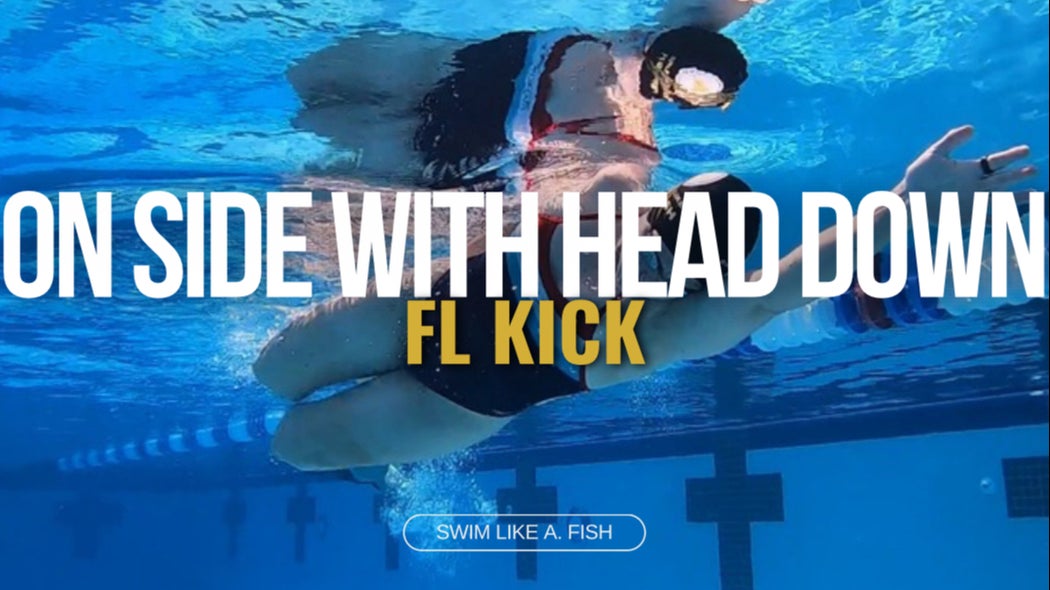
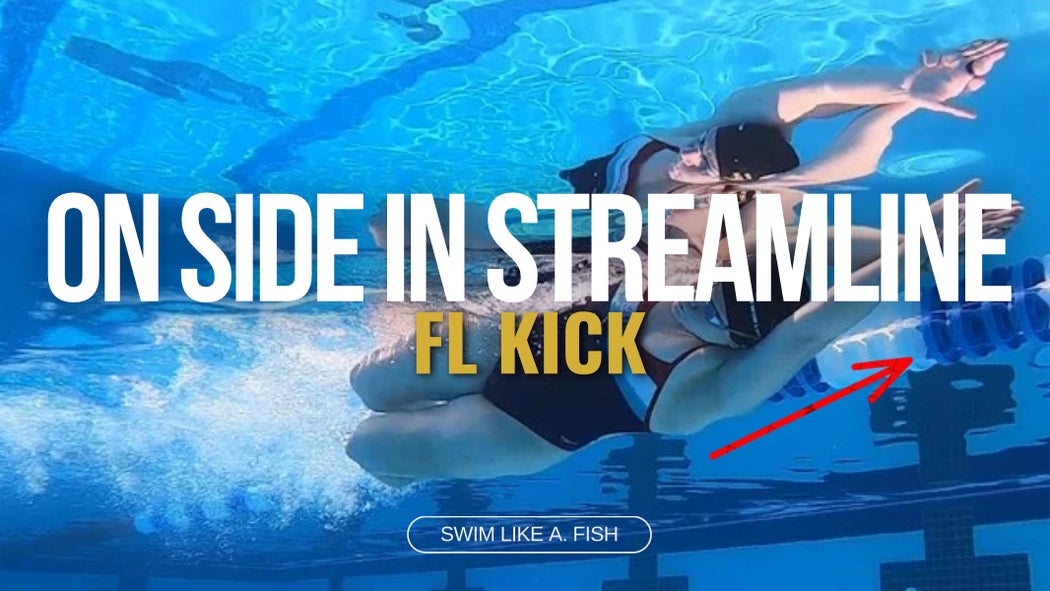
FL Kick on Side with Head Down
Watch Drill Kick Butterfly while holding a side position, eyes facing the pool floor. Forces great core control.
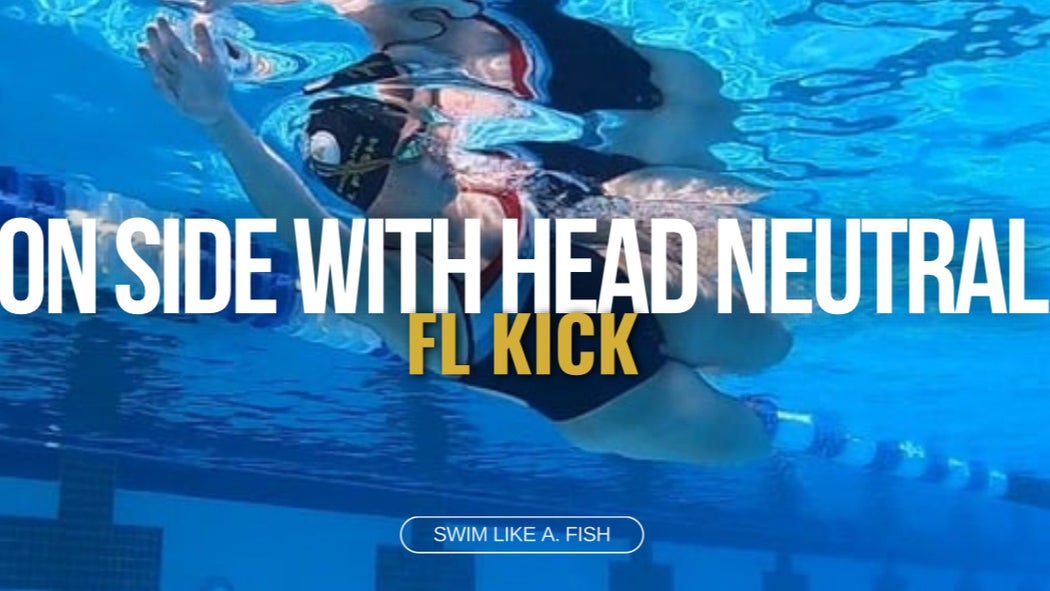
FL Kick on Side with Head Neutral
Watch Drill Same as above, but look at the pool wall. Teaches balance with the head in a different orientation.
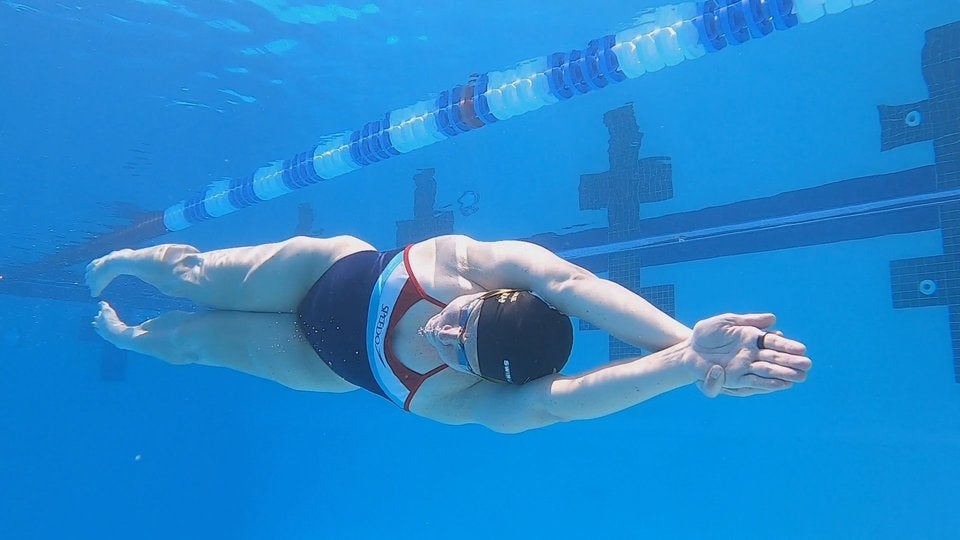
Push off underwater in streamline, arms angled slightly down. Perform dolphin kicks underwater while keeping your body on your side. Builds powerful underwaters.
Common Mistakes in Side Stroke Swimming
Over-Rotating – Rolling too far to your stomach or back.
Fix: Keep your shoulders stacked directly on top of each other.
Loose Scissor Kick – Legs drift too wide, creating drag.
Fix: Focus on the snap and squeeze for propulsion.
Holding Breath– Creates tension and causes the hips to sink.
Fix: Relax and breathe naturally – Side Stroke is the easiest stroke for breathing.
Training Set: Add Side Stroke to Your Workout
Here’s a simple progression to try in your next practice:
4 × 25 side kick (head down)
4 × 25 side kick (head neutral)
4 × 25 full side stroke with scissor kick
Rest :20 between repeats. Focus on body line and efficiency, not speed.
The Bottom Line
The Side Stroke swimming technique may not win you medals—but it can make you a more balanced, efficient, and confident swimmer. From beginners learning to float to elite swimmers mastering underwaters, Side Stroke drills have a place in everyone’s training.
Swimmers: Want personalized help refining your Side Stroke or kick technique? Check out our Video Analysis Packages.
Because the secret to swimming faster isn’t just working harder – it’s mastering the skills that others overlook. And Side Stroke swimming might just be your next breakthrough.