
What if I told you there’s a simple Drill that forces swimmers to develop better Kick Power, Bodyline Control, and Core Strength—all without swimming a single lap? The truth is, most athletes (from Age-Groupers to Masters) are leaving speed in the water because their Kick isn’t trained properly. That’s where Vertical Kick comes in. It’s a foundational Drill used by Olympians like Michael Phelps and Ryan Lochte, and it’s one of my go-to progressions for swimmers of all levels.
Let’s break it down.

At its core, Vertical Kicking is exactly what it sounds like—kicking while maintaining a vertical body position in the deep end. Instead of moving across the pool, you tread water using a Flutter Kick, Dolphin Kick, or even Breaststroke Kick.
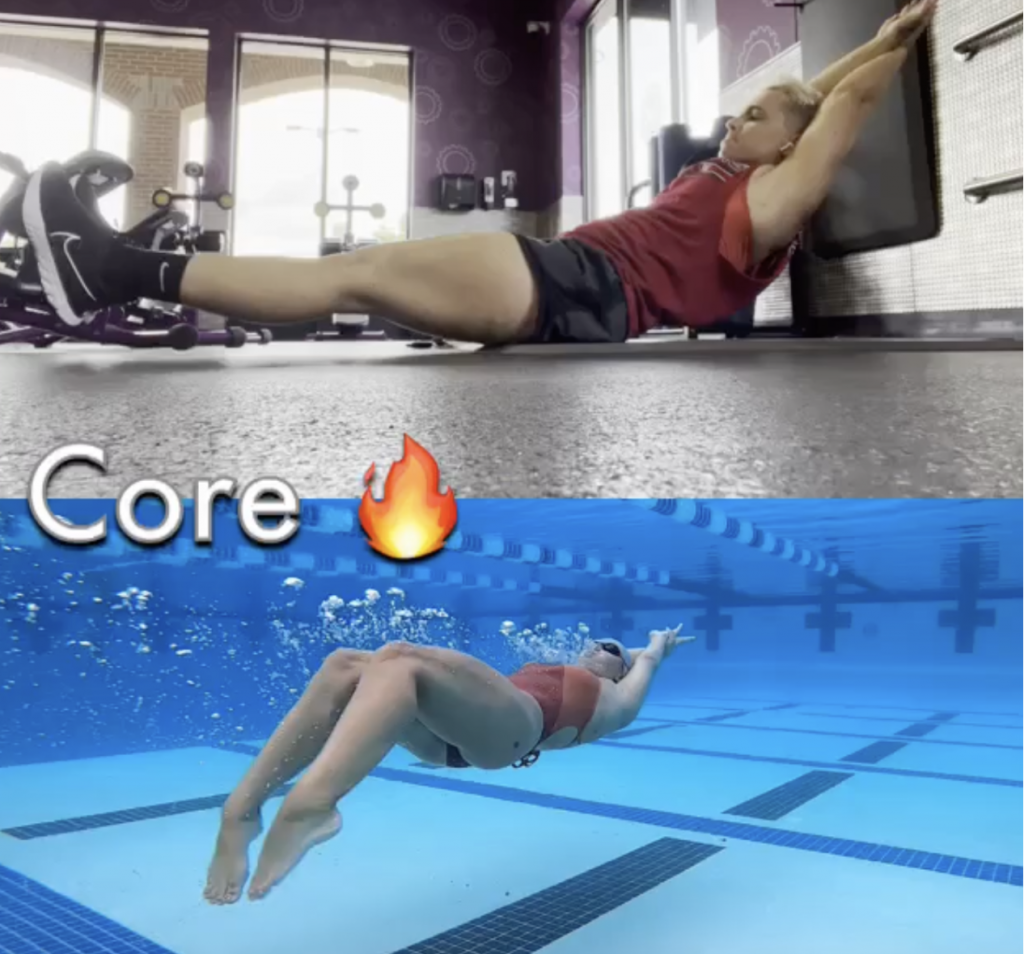
The challenge? You can’t hide bad habits. If your kick is inefficient, you’ll sink. If your Bodyline collapses, you’ll fight just to keep your chin above the water. Done correctly, though, Vertical Kick Drills isolate the legs, demand strong core engagement, and teach you how to apply force backward—not downward.
Think of Vertical Kicking like “strength training for your legs in the water.” By removing the crutch of forward momentum, it forces your legs to do the heavy lifting.
Most swimmers believe a stronger kick comes from doing endless Kickboard Sets. Don’t get me wrong—yardage has its place. But Vertical Kick Sets add unique benefits you just can’t replicate with a board:
Here’s the deal: if you want to maximize the benefits of Vertical Kick Training, you also need to support it with strength out of the pool. There’s a direct correlation between the power a swimmer can produce in the water and their Strength-to-Body-Weight Ratio on land. That’s why we built our 20-Week Weight Training Plans—to help swimmers get stronger in a structured, proven way. Pair these plans with Vertical Kicking, and you’ll feel the difference in every stroke.
Coaches often remind their athletes: if you can’t hold yourself up vertically, your kick won’t drive you forward horizontally. And they’re right.
Here’s the basic progression I use in practice:
Here’s the basic progression I use with swimmers of all levels:
1. Hands at Your Side – Begin simply, focusing on balance and a steady Kick Rhythm.
2. Hands on Your Chest – Cross the arms to increase difficulty and stability demands.
3. Hands at the Surface – Raise the arms up, which forces the core to fire harder to keep the body vertical.
4. Streamline Above the Water – Finish in a Streamline and hold as long as possible.
In this Vertical Kicking Sequence, the swimmer starts with arms at their side, then moves them to the chest, then up to the surface, and finally locks into a Streamline—seeing who can hold that position above the water the longest.
The accompanying caption emphasized that Vertical Kicking is the secret to faster swimming that rarely gets talked about. Building a powerful kick isn’t just about logging more yardage—it’s about training smart. Vertical Kicking forces swimmers to stay tall in the water, engage their core, and put their legs to work the way they’re meant to in Freestyle, Butterfly, and Backstroke.
Try this progression with your team, and you’ll quickly notice how much harder the legs and core must work compared to a standard Kick Set.
To keep Vertical Kick Drills challenging, add these variations:
A fun test set: “How high can you get your shoulders above the water?” Have swimmers compete—it builds intensity and accountability.
Some coaches argue Kickboard Sets are enough for leg development. But here’s the issue: Kickboards change Body Position. Swimmers often kick with their heads lifted, hips dropped, and backs arched—positions that would kill speed in a race.
With Vertical Kicking Drills, there’s nowhere to hide. The body must stay tall, core engaged, and hips driving power. It’s a truer reflection of what’s required during fast swimming.
The bottom line? Kickboards build endurance, Vertical Kick builds power and efficiency. You need both, but if you want real improvement, don’t skip the Vertical Sets.
I like to program Vertical Kick Drills as “power primers” at the beginning of practice or as short, intense finishers. Examples:
Warm-Up Primer:
Main Set Add-On:
Challenge Set: 3 rounds –
If you’re coaching, start younger swimmers with :10–:15 intervals and build them up. For masters athletes, Vertical Kick can double as a great aerobic + strength challenge in one.
If you want a stronger, faster kick—don’t just grind out laps with a board. Add Vertical Kick Swimming drills to your weekly routine. Even just 3x :30 seconds per practice can make a measurable difference in leg strength and Bodyline control.
Want personalized feedback on your kick technique? Try our Video Analysis Packages—you’ll get expert eyes on your stroke within 48 hours.
Or, if you’re a coach, see how we integrate vertical kicking into our full training systems with our Technique Season Plans.
Your legs are the engine of your stroke. Train them with intent, and the results will speak for themselves.