
Welcome back, swimmers! In this new series on Backstroke Swimming, we’re diving into one of the most overlooked – yet absolutely essential – parts of the stroke: Rotation.
If you’ve been following along, we’ve already covered the fundamentals of the Backstroke Kick and Pull. Now, it’s time to connect those pieces and focus on how your body Rotation ties everything together.
By the end of this article, you’ll understand WHY Rotation is crucial for Backstroke speed, how it affects your shoulder mechanics, and the exact drills you can use to improve your Hip and Shoulder rotation in the water.

Most swimmers know they’re supposed to rotate in Backstroke. But few truly understand How Much Rotation they need – or what that movement is supposed to FEEL LIKE.
Here’s the truth: your Backstroke Rotation determines everything about your speed, body alignment, and shoulder health. If you’re Over-Rotating, you lose power. If you’re Under-Rotating, you lose efficiency.
Let’s break down exactly what’s happening when you rotate – and how to fix it.
When I work with swimmers on Backstroke, I often start by asking: “Do you know why your shoulder hurts?”
Nine times out of ten, it’s not because of overuse – because of poor Rotation mechanics.
Backstroke is one of our two Long-Axis Strokes, meaning your body moves around a central spine line (think of it like rolling on a skewer). Unlike Breaststroke or Butterfly, which move up and down, Backstroke and Backstroke require Side-to-Side Rotation to function properly.
But here’s the key difference:
You can technically swim Freestyle flat (though it’s inefficient).
You cannot swim Backstroke flat.
Your shoulder joint simply doesn’t allow it.
Let’s get anatomical for a second.
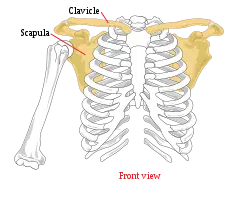
Your shoulder blade (the Scapula) sits on the back of your ribcage and only lets your arm travel so far behind your head. Without rotating your torso, your hand can’t reach far enough into the water to start a strong pull.
In other words:
No Rotation = No Reach = No Catch.
When you roll your body onto your side, your shoulder joint opens up, allowing your arm to drive deeper into the water – without stress.
That’s why elite backstrokers look like they’re dancing down the pool. Their Rotation is rhythmic, continuous, and completely controlled by their core and hips.
Why does Rotation matter so much? It all comes down to the structure of the shoulder joint itself.
With the strokes in Backstroke moving in the opposite direction of Freestyle, swimmers actually elongate and shorten opposing muscle groups.
For example:
This constant alternation keeps the shoulder joint balanced and strong – as long as Rotation is done correctly.
On top of that, your scapula bone only allows your arm to reach backward to a certain degree. It’s not like in the Rotation Test I explained in Freestyle, where swimmers can point their arm directly in front of the body.
When you’re on your back, you’re physically unable to do that.
The only way to extend your reach and maintain a powerful Pull path is by rotating onto your side.
And while more Rotation helps your hand move further behind your body, that’s not the full story.
In Backstroke, we’re not trying to Pull Deep (see 3 Secrets To A Great Backstroke Pull) or way below the surface. The goal is to rotate just enough to “clear” the water line, allowing the hand to enter cleanly and avoid a shallow, wide Pull.
Think of Rotation as a wave of motion that starts at your hips and flows to your shoulders.
The moment your hand enters the water, your hip on that same side begins to drop.
Here’s what a clean Rotation chain looks like:
Head stays still – keep your eyes straight up; your spine does the rolling, not your head.
Backstroke Swimming Rotation — see how hip and Shoulder Rotation stay perfectly synchronized for maximum efficiency. The result? A seamless Rotation that reduces drag, increases Distance Per Stroke, and minimizes shoulder stress.

When swimmers stay too flat, their hands enter the water too shallow. They Push more AIR than water, killing Propulsion.
Fix it: Practice Rolling onto your side until your shoulder nearly touches the water line.
If you rotate so far that your belly button faces sideways, you lose control and stability.
Fix it: Keep your hips and shoulders rolling as a unit – no twisting between them.
Many swimmers “throw” their shoulder over without engaging their core or hips. This isolates the shoulder joint and often causes pain.
Fix it: Drive the Rotation from your hips first, not your shoulders.
Research (and decades of coaching experience) shows that the ideal Backstroke Body Rotation angle is 35–45° per side.
That’s just enough to:
Want to know the science behind those numbers? Check out our follow-up article How Much Rotation in Backstroke Is Enough for a deeper breakdown of angles, alignment, and Body Positioning.
Rotation isn’t something you THINK about once per lap – it’s something you have to train and feel.
These drills are designed to teach swimmers how to control their Hip and Shoulder Rotation, connect the core to the pull, and build symmetrical strength through every Stroke Cycle.
Follow them in this order – from simple body awareness to advanced stroke integration – for the best results.
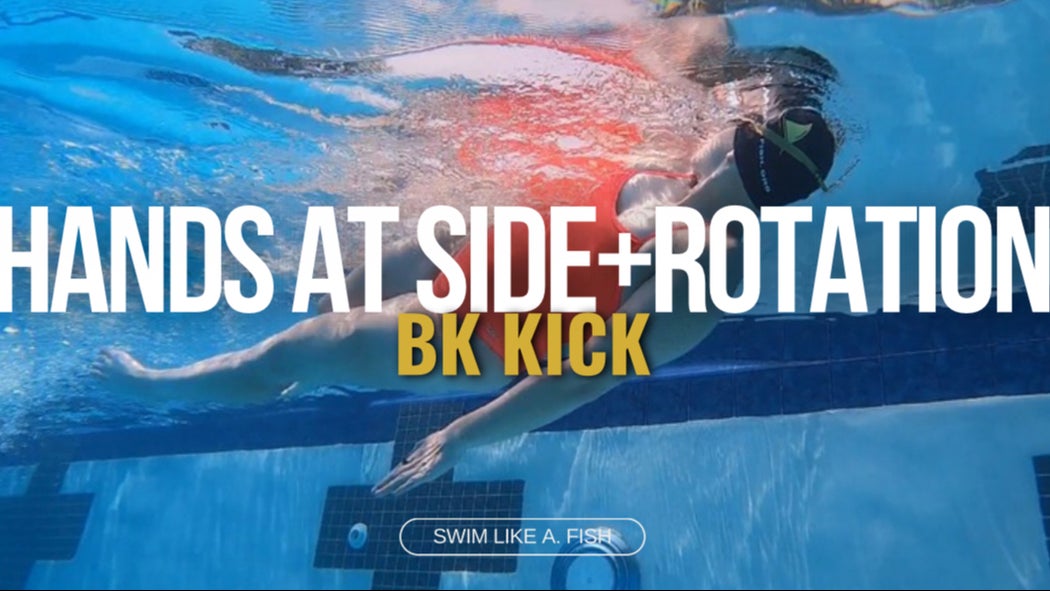
Push off the wall and place your hands at your sides. Rotate gently from side to side as you Kick, keeping one shoulder dry (“up”) and one wet (“down”).
This foundational drill builds awareness of Body Position and helps you feel Rotation driven from your hips – not your shoulders.
Focus: Learn Hip-Led Rotation and Streamline Balance.
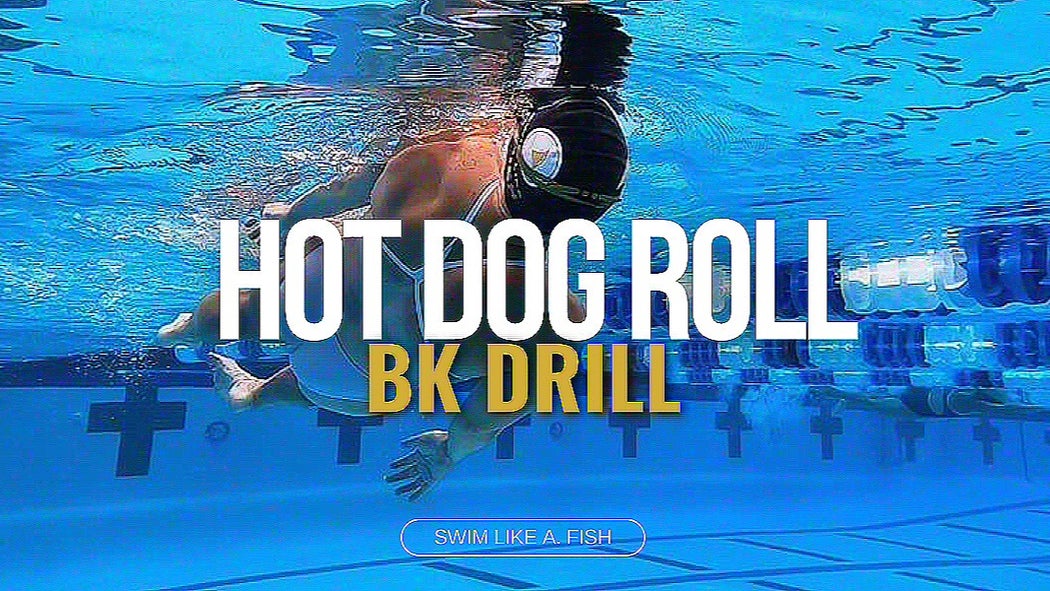
Kick on your back with hands at your sides, rolling your body from side to side like a hot dog turning on the grill.
Keep your core tight and snap each Rotation cleanly. This drill develops whole-body movement and core-driven rhythm.
Focus: Build core control and fluid Full-Body Rotation.
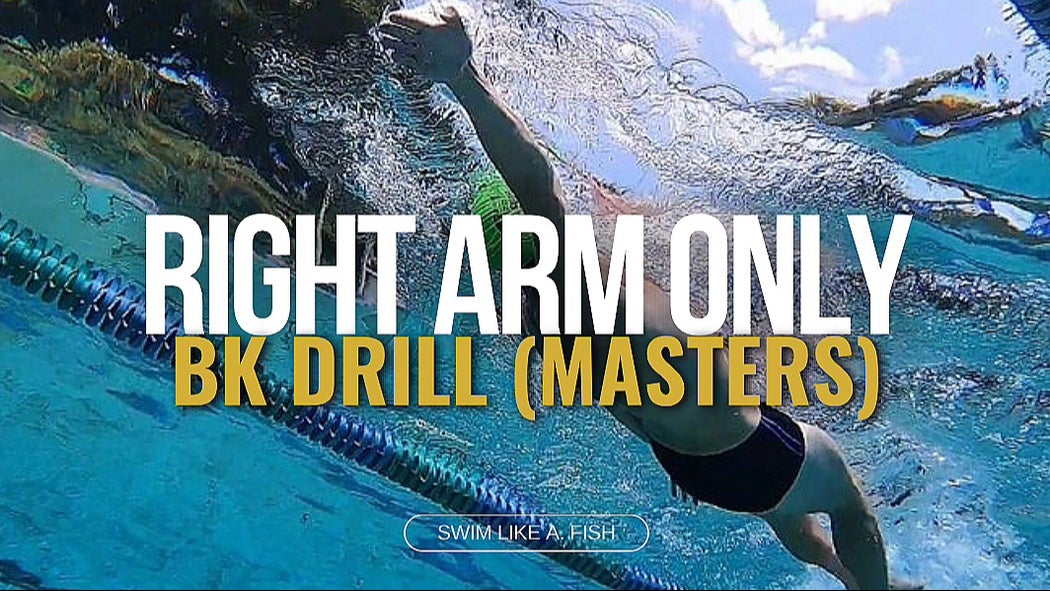
Swim using only your right arm while your left arm stays at your side.
This isolates one side of your body, improving awareness of shoulder angle and hand entry.
Focus: Strengthen one-sided Rotation and balance.
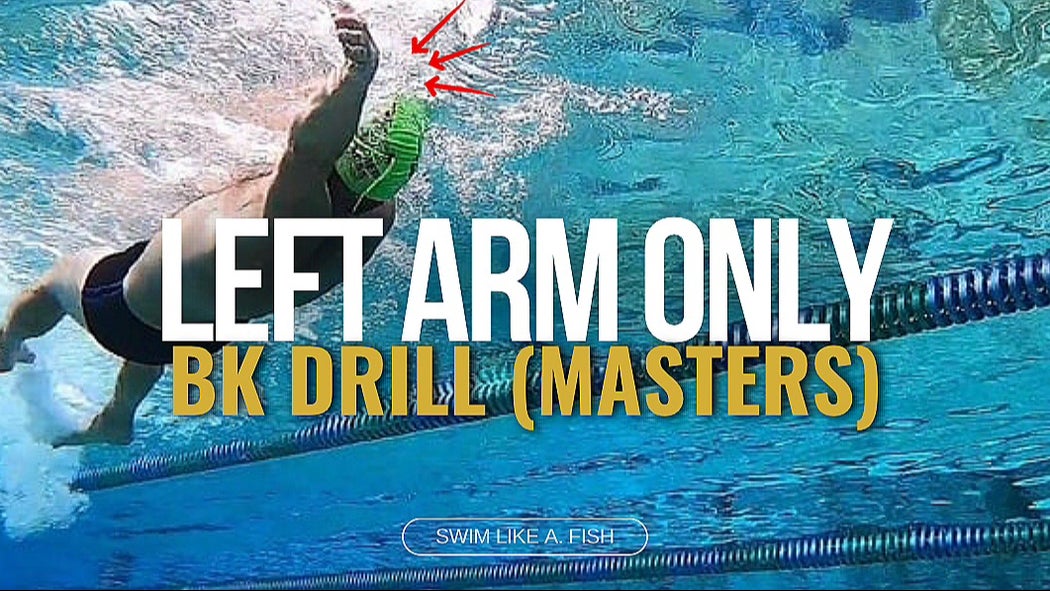
Mirror the previous drill by swimming with your left arm only.
Compare how each side feels — notice any differences in timing, shoulder reach, or Rotation Depth.
Focus: Reinforce symmetrical Rotation and Shoulder Stability.
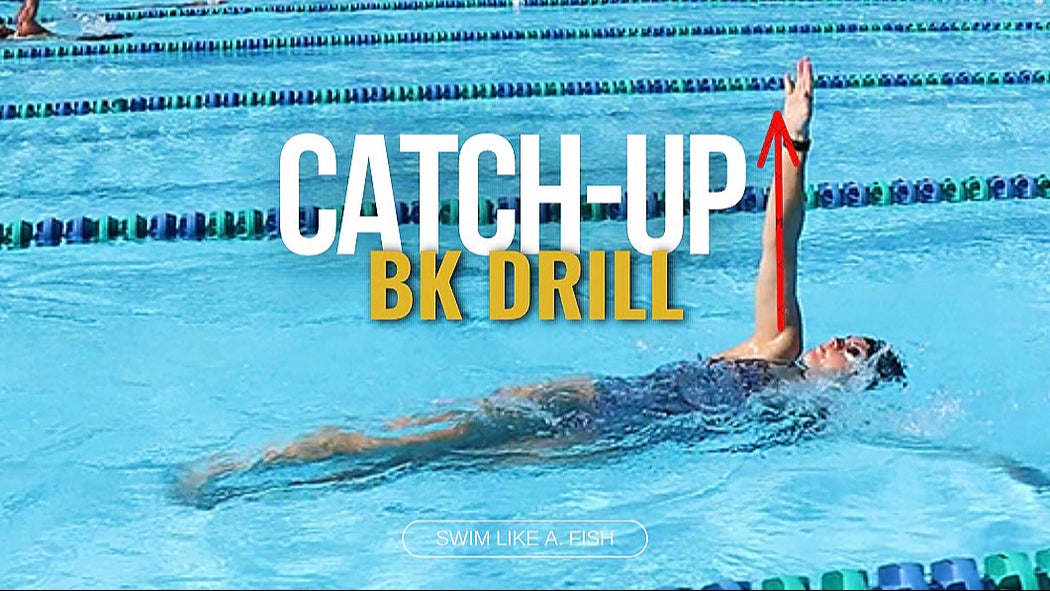
Push off in Streamline, then start your stroke with one arm while keeping the other pointing straight at the sky.
Pause at the top until both arms “meet,” then alternate.
This builds precise Rotation timing between your Catch and Recovery.
Focus: Improve Coordination and side-to-side timing.
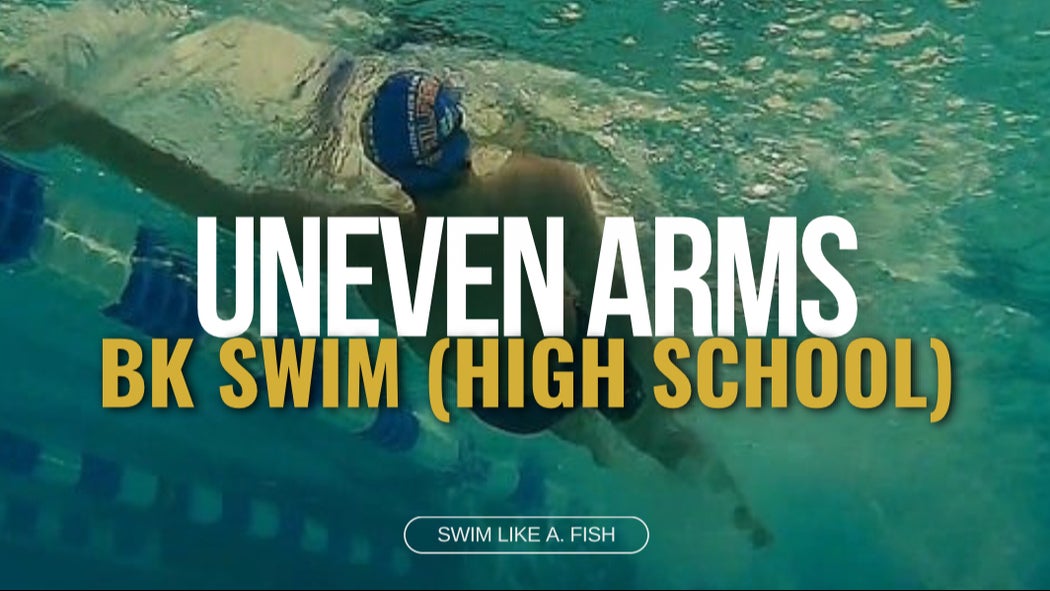
Push off in Streamline, then start your stroke with one arm while keeping the other pointing straight at the sky.
Pause at the top until both arms “meet,” then alternate.
This builds precise Rotation timing between your Catch and Recovery.
Focus: Improve Coordination and side-to-side timing.
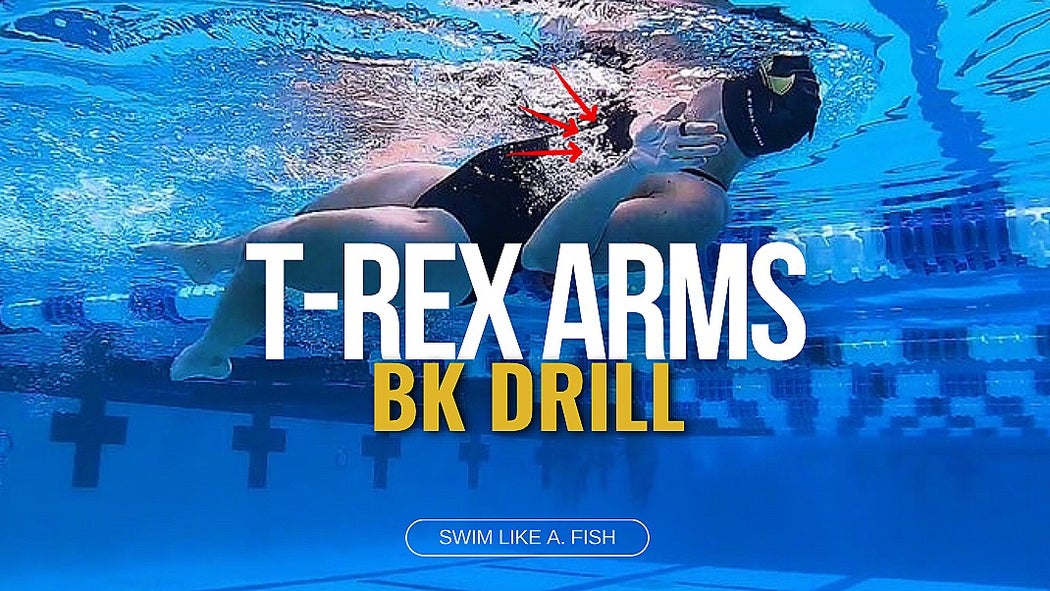
Swim with your elbows locked at your sides, using only your forearms and wrists to move water.
You’ll feel like a T-Rex – but that’s the point!
This drill isolates forearm pressure, improves Rotation timing, and sharpens your feel for the water.
Focus: Enhance Forearm Propulsion and fine-tune Rotation Timing.
Watch: Improve Your BK in Minutes! Try the Hold Paddle BK Drill
Hold a paddle flat on the surface while maintaining your normal Backstroke Rhythm.
This forces you to engage your forearm through the entire Catch and maintain consistent Rotation speed.
Focus: Strengthen the Catch Phase and connect Rotation with feel for the water
Great Backstroke Rotation doesn’t mean flopping side to side. It’s about Controlled Symmetry.
A few alignment cues to remember:
Engage your glutes and obliques to drive the Turn, not your lower back.
Your Catch in Backstroke depends on Shoulder Position.
If you rotate too late, your hand enters flat and “slips” through the water.
If you rotate too early, your Elbow Collapses and you lose power.
When timed perfectly, Rotation lets your hand enter at the ideal Depth and Angle, setting up a deep, powerful Catch—exactly what we teach in our How to Swim a Faster Backstroke in 90 Days program.
This program dives deep into timing, Rotation Drills, and body alignment to help swimmers feel their rhythm and maximize speed.
Coaches, this part’s for you.
Teaching Rotation isn’t just telling swimmers to “roll more.” It’s about Connecting Movement Patterns and building awareness.
Start with video feedback—show swimmers how their hips lag behind their shoulders. Then, progress to drills that sync both together.
My Principles of Backstroke for Coaches Course breaks down the biomechanics, correction cues, and progressive teaching methods I use with every level of swimmer—from Age-Group to Olympic.
Here’s a simple, progressive way to build smoother, more powerful Rotation in just four weeks:
Week | Focus | Key Drill | Goal |
1 | Body Awareness | BK Kick: Hands At Side + Rotation | Learn how to lead Rotation from the hips while keeping a balanced Body Position. |
2 | Core Control | BK Drill: Hot Dog Roll | Develop Whole-Body Rotation and feel how the core drives movement. |
3 | Timing & Balance | BK Drill: Catch-Up | Sync your hip and Shoulder Rotation with each Pull for smoother Coordination. |
4 | Power & Connection | Hold Paddle Drill | Strengthen your Catch and link Hip Rotation to core-driven power. |
Repeat this four-week Rotation Cycle every few months. You’ll notice better rhythm, cleaner alignment, and more effortless speed through every Backstroke Length.
Backstroke Rotation isn’t just about looking smooth – it’s about moving smart.
Rotation is your foundation for every great Pull, every powerful Kick, every clean Streamline.
If you want to swim faster Backstroke, start by fixing your Rotation first.
Don’t just move your arms – move your body as one connected unit.
Learn how to diagnose, correct, and teach Rotation Patterns that build champions in our Principles of Backstroke for Coaches course.
Click HereReady to transform your Backstroke? Join our How to Swim a Faster Backstroke in 90 Days program and feel what efficient Rotation truly means.
Click Here