What if the key to swimming faster Backstroke wasn’t your kick – or even your pull – but your hands? Learning how to scull on your back can completely change your feel for the water.
Sculling is one of the most overlooked parts of Backstroke technique, yet it’s the bridge between “going through the motions” and swimming with complete control. Whether you’re training for a Backstroke Swimming Competition or just trying to feel smoother in the water, Backstroke Sculling will help you connect every phase of your stroke.
Why Sculling matters in Backstroke
Most swimmers think of Sculling as something you do during treading water – a survival skill rather than a performance tool. In reality, Sculling is one of the best ways to train your hands to FEEL the water.
When you scull, you create lift and propulsion by subtly changing the angle of your palms and forearms. It’s a micro-movement that teaches macro-control.
Without this connection, your pull becomes inconsistent and your rotation loses rhythm. Sculling brings it all back into sync—the Backstroke Rotational Chain that links your hips, shoulders, and hands into one smooth motion. (If you missed it, read our breakdown onBackstroke Rotation.)
If you’re still learning to stay relaxed on your back, start with foundational positions before progressing – seeHow to Float on Your Back.
Sculling meaning and why it matters
So what does Sculling really mean? Sculling is the art of moving your hands in small, controlled motions to generate constant pressure and support. It’s like steering your body through the water instead of just pulling yourself forward.
You’ll see it everywhere – from treading water to advanced Sculling Swimming Drills used by elite athletes. There are different types of Sculling in swimming, each targeting a specific part of the stroke: Front Scull, Mid Scull, and Back Scull.
If you’re new to the concept, take a quick read throughWhat Is Sculling in Swimming before trying the drills below.
My favorite Backstroke Sculling progression
When it comes to teaching feel for the water and timing in Backstroke, this is one of my favorite progressions. It builds each phase of the stroke step-by-step—from the entry to the full Rotation and Catch.
I love using Fins and Paddles for this series. Fins help maintain body position and rhythm; Paddles exaggerate pressure so swimmers can feel exactly where their hands “grab” the water.
Once you’ve learned the full progression, isolate key positions with these focused drills from our SLAF library. Each reinforces the Deep Elbow Catch – elbow deeper (yet above the head), palm rotating to the feet, forearm driving pressure back, not down.
Build water feel near the surface
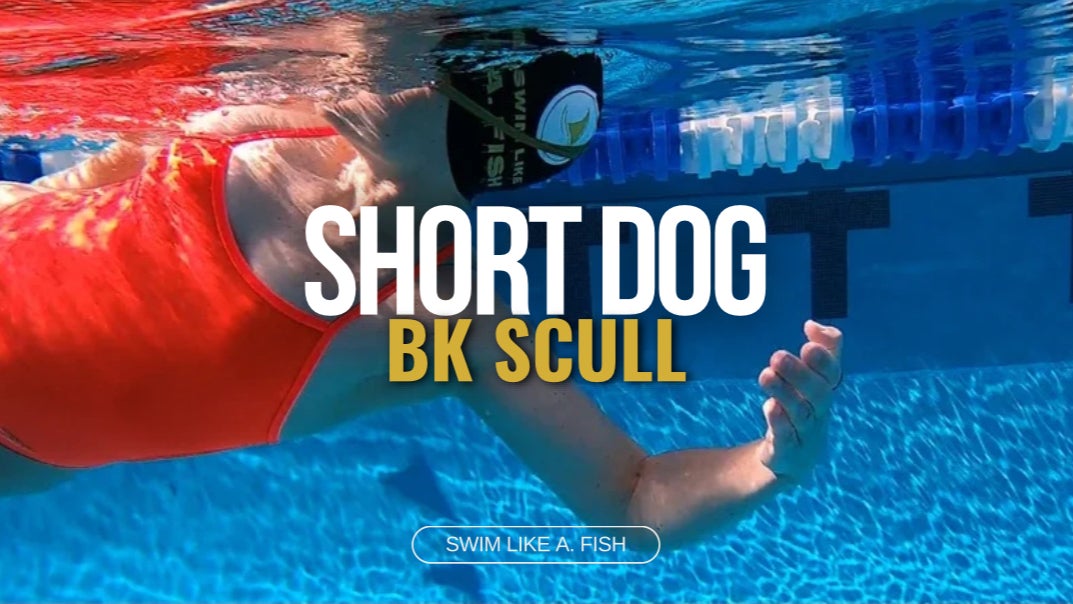
Backstroke Scull: Short Dog
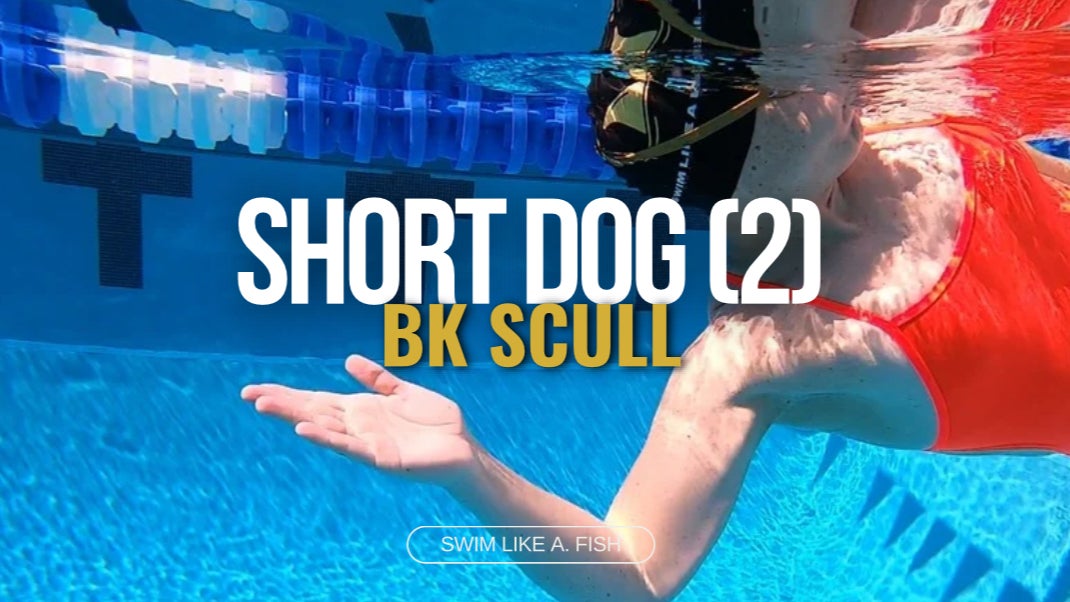
Backstroke Scull: Short Dog (Version 2)
Cues: fingertips just below the surface, elbows deep below the head line, palms facing outwards and down. Use smooth figure-eights.
Strengthen the Catch–Rotation connection
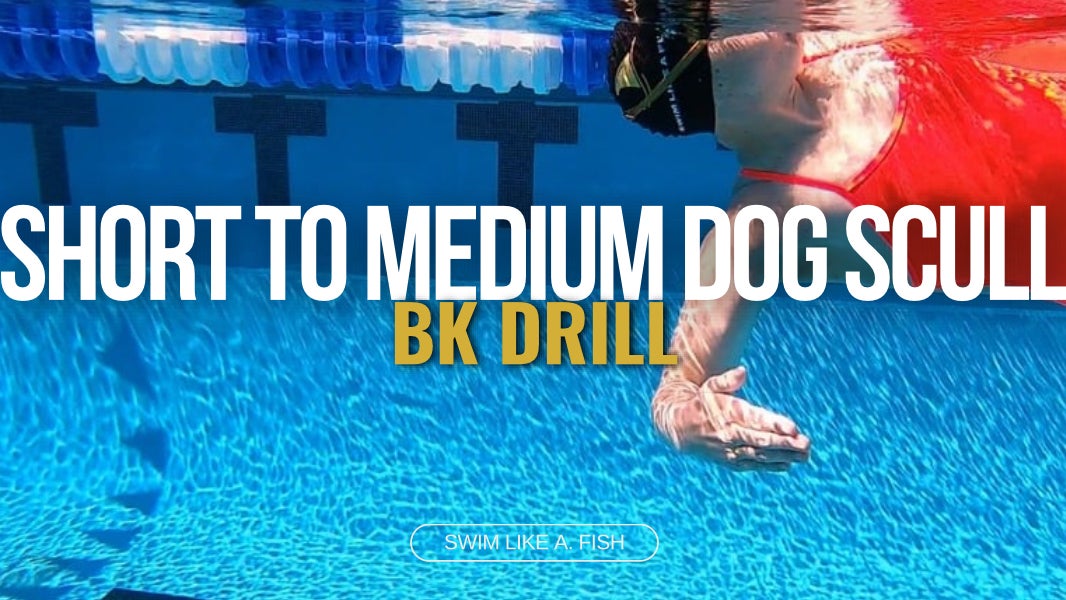
Short to Medium Dog Scull
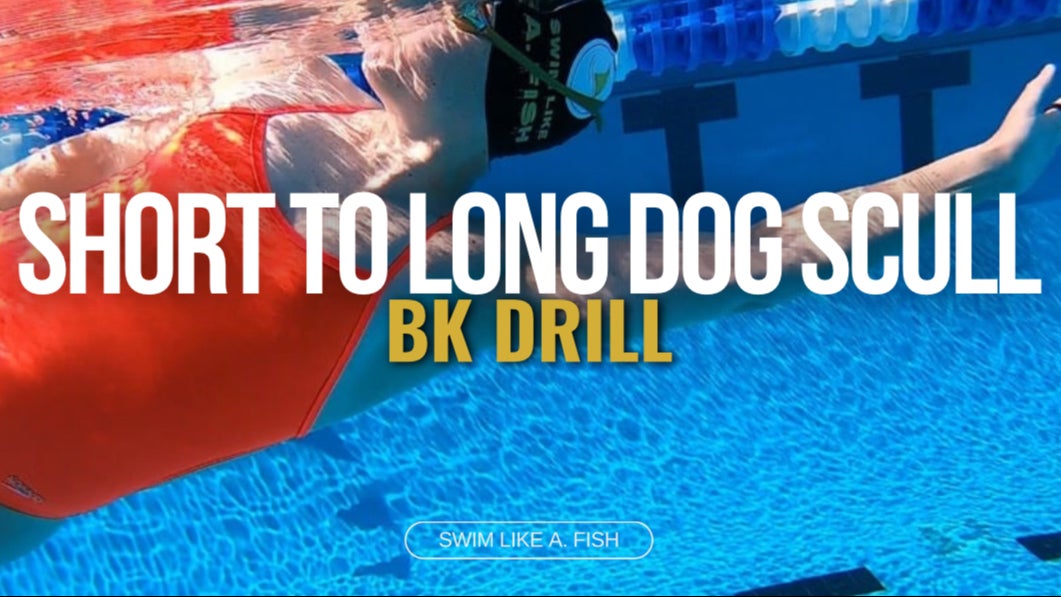
Short to Long Dog Scull
Cues: move from entry into Deep Elbow Catch and through the power phase. Bend the elbow while keeping it below your head. Rotate through hips and shoulders as the palm turns to face the bottom of the pool. Biomechanics refresher:Deep Elbow Catch.
Improve balance and symmetry
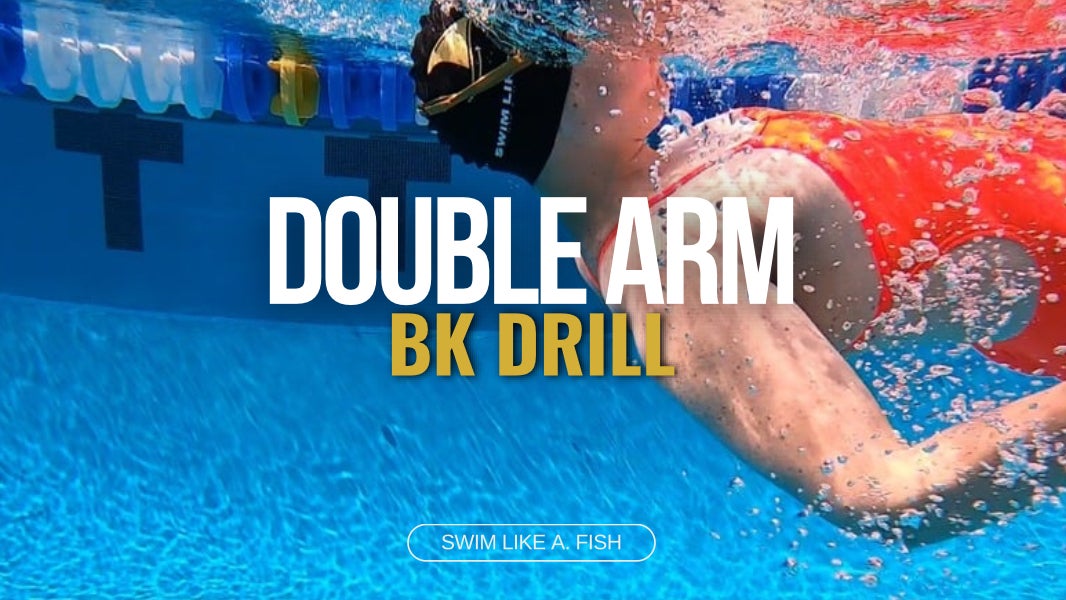
Double Arm Backstroke
Cues: Pull both arms together; elbows below head line; palms press toward the feet. Great for shoulder activation pre-set or as a technical warm-down.
Sculling Drills sharpen your sense of water pressure, improve shoulder stability, and strengthen the connection between hips and arms. They also make you a more aware swimmer—able to adapt instantly to changes in flow or fatigue mid-race.
That’s why Sculling Swimming benefits go beyond technique: better control, balance, symmetry, and endurance.
Why Sculling drills work
If you want more shoulder strength and injury resistance, pair Sculling with ourDryland Training Programs. Dryland reinforces the same shoulder stability and rotational strength you need in the pool—especially during long sets or competitive Backstroke Training.
To see how top athletes apply these concepts, exploreBackstroke Coaches who train Olympians to master water feel.
And yes – Is Backstroke Good for You? Absolutely. It strengthens your posterior chain, improves posture, and reduces shoulder strain when performed with proper Sculling and a Deep Elbow Catch.
Adding both in-water Sculling and complementary Dryland sessions gives you the perfect mix for performance, strength, and injury prevention.
Try this in your next workout
Pre-set Sculling circuit (before your main set):
3×25 Backstroke Short Dog Scull
3×25 Short to Medium Dog Scull
4×25 with a Pull Buoy, focusing on steady rhythm
Swim an easy 50 between rounds. You’ll feel more connected and efficient when you switch back to full-stroke Backstroke.
Take your Backstroke to the next level - whether you’re coaching it or swimming it.
Ready To Take Your Backstroke Further?
If you’re a coach looking to teach Backstroke with more precision and confidence, start withPrinciples of Backstroke for Coaches - it breaks down the stroke from body position to race strategy.
For swimmers ready to put it all together in the pool, check outHow to Swim a Faster Backstroke in 90 Days - a complete Backstroke Course packed with drills, video breakdowns, and training progressions designed to help you swim smarter and faster.